
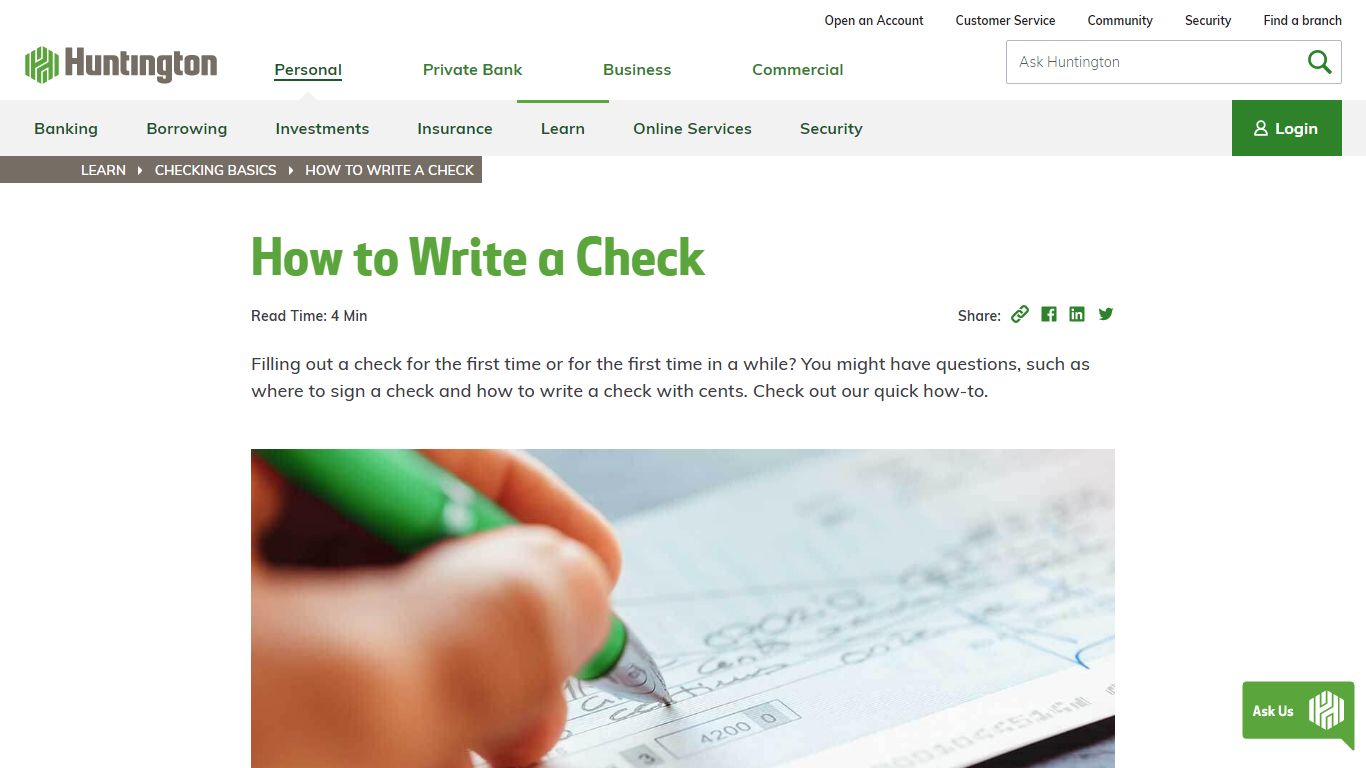
How to fill out a personal check starts with using a black or blue ballpoint pen. These inks last longer and are harder to change. Write the date in the top right corner using the month/day/year format, such as 04/07/2025. This shows when the check was written. Next, write the full legal name of the person or business you are paying on the “Pay to the order of” line. Match their bank records exactly, including suffixes like LLC or Inc. In the dollar box, enter the amount in numbers, like $123.45. Fill any blank space with a line to stop changes. On the line below, write the same amount in words, ending with “only.” Sign the check on the bottom right line using the signature your bank has on file. Add a short note in the memo field, like “Rent March 2025,” to explain the payment.
Why Proper Check Filling Matters
Filling out a personal check correctly prevents delays and fraud. Banks reject checks with errors or missing parts. A clear date helps track payments. The payee name must match bank records to avoid issues. Writing the amount in both numbers and words adds safety. A missing signature makes the check invalid. Using permanent ink stops tampering. A memo helps you and the receiver remember the reason for the payment. These steps protect your money and ensure smooth processing.
Step-by-Step Process to Fill Out a Personal Check
Start by writing the current date in the top right corner. Use the month/day/year format, like 05/15/2025. This marks when the check was issued. Next, find the “Pay to the order of” line. Write the full name of the person or business you are paying. Spell it exactly as it appears on their bank account. Include any suffixes like Co. or Ltd. In the dollar box, enter the amount in numbers. Align the digits to the right and use a decimal point, such as $250.00. Draw a line through any empty space. Below that, write the amount in words. Begin at the left edge and end with “only.” For example, “Two hundred fifty dollars only.” Sign the check on the bottom right line. Use the same signature your bank has on file. Finally, add a short memo in the lower left corner. Examples include “Utility bill April 2025” or “Birthday gift.”

Filling Out a Check for Cash
You can write a personal check to get cash. Bring a valid photo ID, like a driver’s license, to the bank. On the “Pay to the order of” line, write “Cash” or your own full name. If you write “Cash,” anyone can cash it. If you write your name, only you can deposit or cash it. Enter the amount in the dollar box, such as $500.00. Write the same amount in words on the line below, ending with “only.” Sign the check on the signature line. The bank will give you cash after verifying your ID. This method is useful when you need quick access to funds.
Writing a Check to Yourself
Writing a check to yourself moves money between your accounts. Write the date in the top right corner. On the “Pay to the order of” line, write your full legal name. Match the name on your bank records. Enter the amount in numbers in the dollar box. Write the same amount in words below, ending with “only.” Sign the check using your bank signature. Deposit it into another account or cash it. This is a simple way to transfer funds without fees or delays.
Common Mistakes to Avoid
Leaving blank spaces allows others to add numbers or names. Always fill every line. Using pencil or erasable ink lets people change the check. Stick to black or blue ballpoint pens. Misspelling the payee name causes rejection. Double-check the spelling. Forgetting to sign the check makes it invalid. Sign every check before giving it. Writing the wrong date confuses tracking. Use today’s date unless postdating is needed. Not recording the check number in your register leads to errors. Write it down right away.
Best Practices for Safe Check Writing
Use print writing for all fields except the signature. This makes it easy to read. Never sign a blank check. Fill in the payee and amount first. Keep a record of each check number and amount in your check register. This helps balance your account. Store unused checks in a safe place. Lock them away from theft. Review your bank statements monthly. Look for unauthorized checks. Shred old checks with a cross-cut shredder. This protects your account number and routing details.
How Banks Process Personal Checks
Banks verify each part of a personal check. They check the date to ensure it’s not stale. Most banks won’t cash checks older than six months. They confirm the payee name matches the account holder. The numeric and written amounts must match. The signature is compared to the one on file. The memo is not required but helps with record-keeping. If any part is wrong, the bank may reject the check. Processing takes one to three business days. Mobile deposits may take longer.
Digital Alternatives to Personal Checks
Many people now use digital payments instead of checks. Apps like Zelle, Venmo, and PayPal send money instantly. Bank transfers are free and secure. Debit cards work for most purchases. These methods are faster and leave digital records. However, some landlords and small businesses still prefer checks. Checks provide a paper trail and are widely accepted. Knowing how to fill out a personal check remains useful.
Legal and Security Considerations
Writing a bad check on purpose is a crime. It can lead to fines or jail time. Always ensure you have enough money in your account. Use overdraft protection if needed. Never lend your checks to others. Guard your checkbook like cash. Report lost or stolen checks to your bank immediately. They can stop payment and issue new checks. Freeze your credit if you suspect fraud. This stops new accounts from being opened in your name.
Special Cases: Joint Accounts and Business Checks
For joint accounts, either owner can sign the check. Both names appear on the “Pay to the order of” line if needed. Business checks follow the same rules. Use the company name as the payee. Include the business address if required. Sign with your title, such as “Manager” or “Owner.” Keep business and personal checks separate. Use different accounts to avoid confusion.
Postdating a Check
You can write a future date on a check. This is called postdating. The bank may still cash it early unless you notify them. Call your bank and ask them to hold the check until the date written. Provide the check number and amount. There may be a small fee. The recipient should wait until the date to deposit it. Postdating is useful for rent or bills due later.
Stop Payment on a Lost Check
If you lose a check, act fast. Call your bank and request a stop payment. Give the check number, amount, and payee name. There is usually a fee. The bank will block the check from being cashed. You can then issue a new one. Keep the stop payment confirmation for your records. This protects you from fraud.
Mobile Check Deposits
Many banks let you deposit checks with your phone. Take a photo of the front and back. Sign the back with “For mobile deposit only.” Enter the amount. Submit through the app. Keep the original check for 14 days. Then shred it. Mobile deposits are convenient but may take longer to clear. Large amounts might be held.
International Checks and Currency
Personal checks are rarely used abroad. Foreign banks may not accept them. Use wire transfers or international money orders instead. These are faster and more secure. If you must use a check, write it in the local currency. Confirm exchange rates and fees with your bank. Processing can take weeks.
Check Register Maintenance
A check register tracks every transaction. Write the check number, date, payee, and amount. Note deposits and fees. Subtract each check from your balance. Add deposits. This helps avoid overdrafts. Update it after every transaction. Use a paper register or a free app. Review it weekly with your bank statement.
Voiding a Check
If you make a mistake, void the check. Write “VOID” in large letters across the front. Do not tear or throw it away. Keep it in your records. This shows you didn’t use it. You can then write a new check. Never cross out errors. Start over with a fresh check.
Frequently Asked Questions
Can I write a check with no money in my account? No. This is called a bounced check. It can result in fees and legal trouble. Always check your balance first. Do I need to fill out the memo line? No, but it helps track payments. What if I write the wrong amount? Void the check and start over. Can I correct a mistake? No. Write a new check. How long does a check take to clear? Usually one to three business days. What if my check is lost in the mail? Call your bank to stop payment and issue a new one.
Official Resources and Support
For more help, contact your bank directly. Most banks offer free guides and customer service. Visit a local branch for in-person support. Call the number on the back of your debit card. Hours are typically Monday to Friday, 8 a.m. to 6 p.m. Some banks have Saturday hours. Use online chat for quick questions. Always verify information with your bank, as policies vary.
Final Tips for Success
Use a pen, not a pencil. Write clearly and fill all lines. Double-check names and amounts. Sign every check. Keep records. Review statements. Stay safe. Knowing how to fill out a personal check protects your money and builds trust with payees. It’s a simple skill with big benefits.